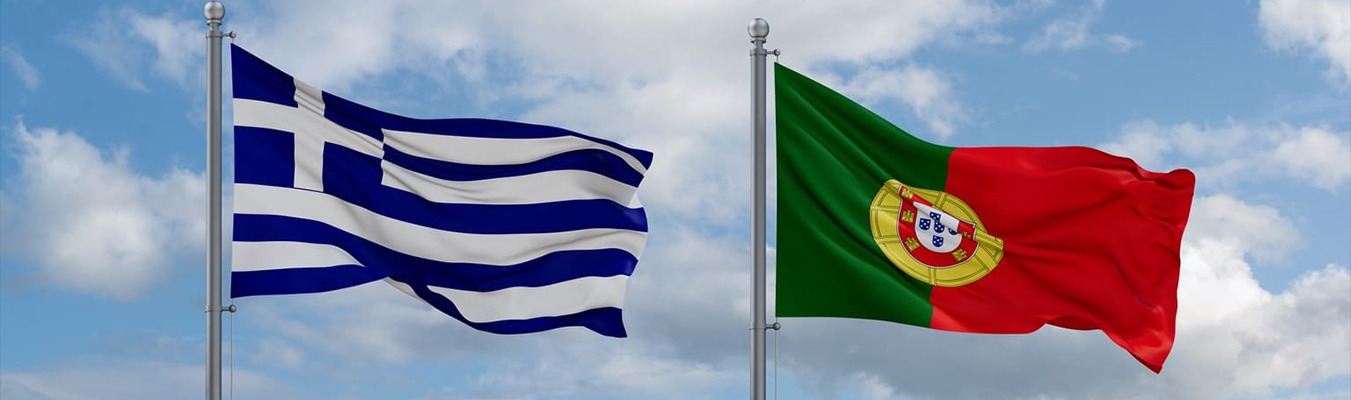

The world is changing faster than expected, and having a single base no longer feels like enough. That is why the EU Golden Visa has found its way onto the wishlist of investors around the world in 2026, and for good reason. It offers access to the Schengen Zone, along with the promise of lifestyle, mobility, and long-term opportunity. And right at the center of that decision sits one of the most important comparisons in global mobility today: Portugal vs Greece Golden Visa 2026.
Both programs offer EU residency by investment. Both open the doors to the Schengen Zone. But when you look closely, they serve very different types of investors. But beneath the surface, they are built very differently, each designed for a distinct type of investor and long-term strategy.
Let’s walk through this the way real investors do, not just by comparing numbers, but by understanding what those numbers actually mean for your future.
The Bigger Picture Behind Golden Visas
For global families, acquiring EU residency by investment is a calculated move toward building optionality.
It’s about creating a life that isn’t tied to one geography. It’s about giving children access to European education, enabling seamless travel across Schengen countries, and securing a reliable Plan B citizenship 2026 strategy in an unpredictable world.
The Portugal Golden Visa and Greece Golden Visa both deliver these advantages. What truly sets them apart is how each program structures that journey and what that structure means over time.
Portugal vs Greece Golden Visa 2026: A Strategic Comparison
Most comparisons stop at basic metrics. But experienced investors go deeper. They look at investment philosophy, liquidity, flexibility, and the realism of the citizenship path.
Investment Philosophy: Diversification vs Ownership
Portugal has evolved into a portfolio-style residency program.
With the shift to investment funds for Portugal golden visa, investors now allocate a minimum of €500,000 into regulated funds that spread capital across sectors like technology, hospitality, tourism, and innovation.
This approach aligns with modern wealth strategies; diversified, professionally managed, and less dependent on a single asset.
Greece, in contrast, remains rooted in real estate investment.
You purchase property, maintain ownership, and secure residency through that tangible asset. It’s simple, direct, and familiar—especially for investors who prefer physical holdings.
The difference is clear.
- Portugal is structured like a managed investment portfolio
- Greece is structured like a direct property purchase
Liquidity and Exit Strategy
One of the most overlooked aspects of EU residency by investment is how easily you can exit.
Portugal’s fund-based model offers defined exit strategies. Investors participate in regulated funds with timelines and professional management, reducing the burden of selling assets independently.
Greece places that responsibility entirely on the investor.
Exiting means selling property in a foreign market, something that depends on demand, location, and market cycles. In less active regions, this process can take time and impact returns.
So the contrast becomes,
- Portugal offers planned, structured exits
- Greece depends on market timing and individual effort
Cost Reality in 2026
At first glance, Greece appears to be the more affordable option.
But in 2026, the reality is more layered.
While lower entry points exist, most high-demand areas now require significantly higher investment levels. Meanwhile, Portugal’s €500,000 fund route remains consistent and transparent.
More importantly, the cost conversation isn’t just about how much you invest, it’s about what that investment delivers.
- Greece provides a physical property with maintenance, taxes, and management considerations
- Portugal provides diversified exposure with potential returns managed by professionals
Processing Time: Expectations vs Experience
Greece is often perceived as the faster option, with shorter initial approval timelines.
However, when factoring in property selection, legal checks, and transaction processes, both programs tend to follow similar real-world timelines.
Portugal may involve more administrative steps, but Greece requires more on-the-ground coordination.
In practice, the difference in speed is less significant than many expect.
Citizenship Path: Where the Real Difference Lies
This is the point where most long-term investors pause.
Portugal offers a structured pathway toward citizenship eligibility, making it one of the most appealing options for those seeking a second passport for HNWIs.
Greece, while offering residency with ease, requires a much deeper level of physical presence and integration for citizenship making it less practical for globally mobile individuals.
In simple terms,
- Portugal is designed with citizenship in mind
- Greece is designed primarily for residency
Flexibility and Lifestyle Integration
Portugal’s model is built for flexibility.
With minimal stay requirements, investors can maintain their global lifestyle while gradually building a European presence.
Greece offers even greater flexibility in terms of stay—but that flexibility does not translate into long-term integration unless relocation becomes part of the plan.
From a lifestyle perspective,
- Greece offers a relaxed Mediterranean experience, ideal for property ownership and seasonal living
- Portugal provides a balance of modern infrastructure, connectivity, and long-term stability
Rental Income and Returns
Many investors initially look at Greece for rental income potential.
However, regulations on short-term rentals for Golden Visa properties can limit returns, often restricting them to long-term leasing.
Portugal’s fund-based model doesn’t rely on rental income but instead offers structured returns through diversified investments, which may align better with long-term financial planning.
The Strategic Decision
When you step back, the Portugal vs Greece Golden Visa 2026 comparison becomes less about choosing a destination and more about choosing a direction.
Choose Portugal if your focus is,
- Long-term mobility and flexibility
- A realistic path toward European citizenship
- Diversified investment through regulated funds
Choose Greece if your focus is,
- Owning property in Europe
- A straightforward and tangible investment route
- Lower perceived entry complexity
Both programs serve a purpose. Both provide access to Europe.
But they are designed for different outcomes.
The Smarter Golden Visa Choice in 2026 – Where Strategy Meets Opportunity
In 2026, EU residency by investment is all about alignment. The Greece Golden Visa offers simplicity and immediate ownership. The Portugal Golden Visa offers structure, flexibility, and a stronger long-term roadmap.
For investors thinking short-term, Greece delivers clarity.
For those building a future across borders, Portugal offers a more strategic foundation.
The decision ultimately comes down to how you define value, not just today, but five years from now.
Ready to Go Global?
Choosing the right residency program means shaping your future across borders with clarity, confidence, and control. The right strategy doesn’t just open doors; it ensures you always have one.
The Go Global Corp experts can help you move beyond options and into action guiding you through every step of your EU residency by investment journey with tailored advice, vetted opportunities, and long-term planning in mind.
Your global future starts with the right decision. Let’s build it together.